Microsite
opto:farm
We are developing new tools for light-inducible biochemistry, specifically designed to enable any scientists with any background to develop and customise their systems.
Here, we provide examples and a discussion forum on how to use educational tools such as LEGO bricks, the BBC micro:bit controller, and block-based programming to disrupt research in the non-specialist biomedical laboratory.
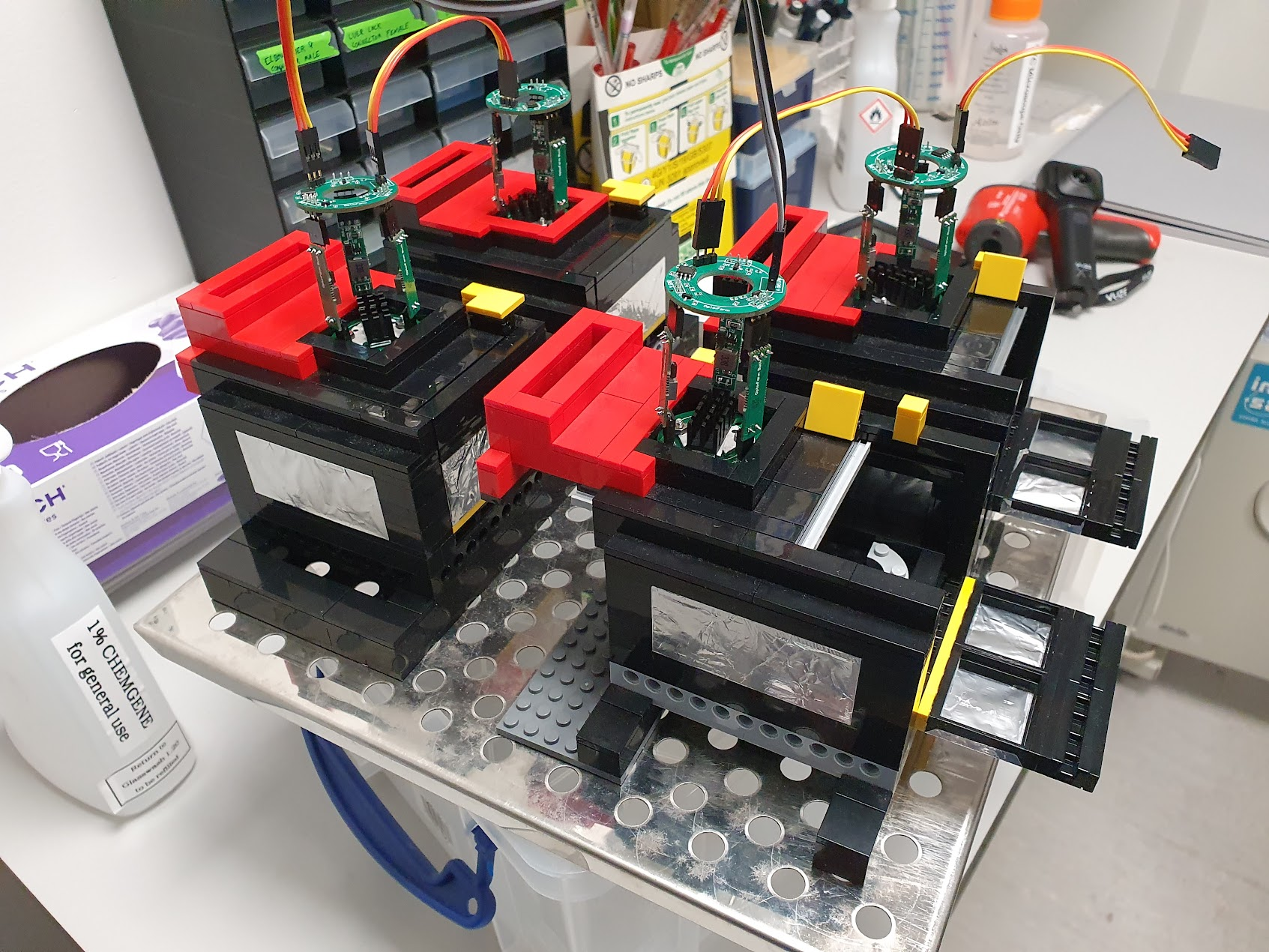
Original landing page
A few hints for worry-free optogenetics.
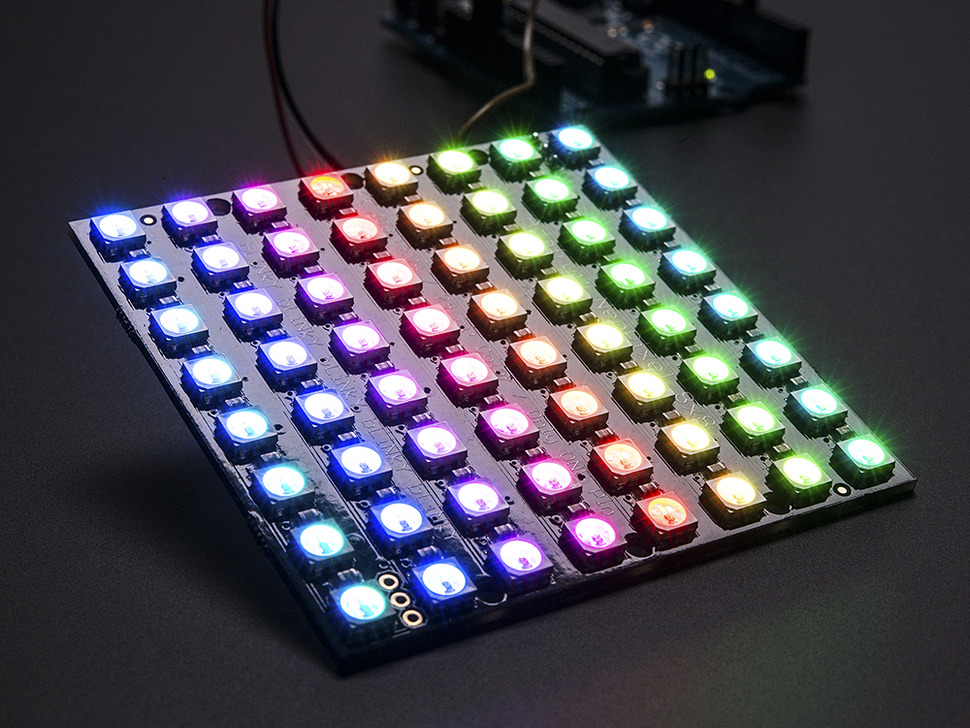
The figures below mirror the original opto:farm landing page and show the project's practical focus: accessible controllers, block-based programming, easy-to-source mechanical parts, simple electronics, and outreach-ready examples.
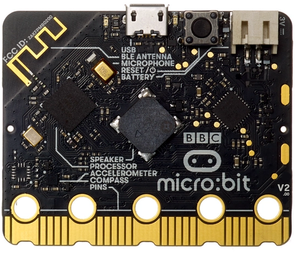
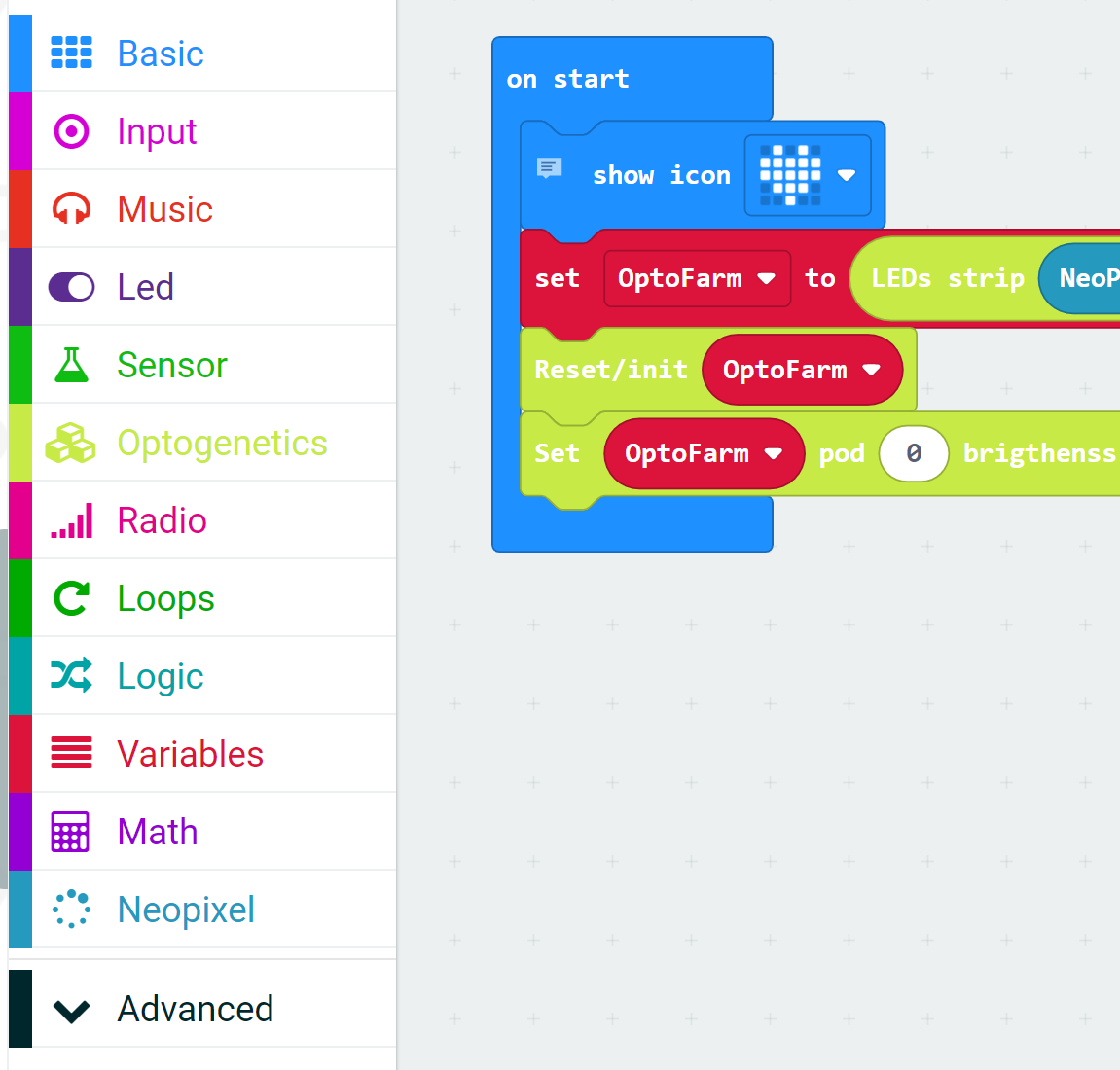
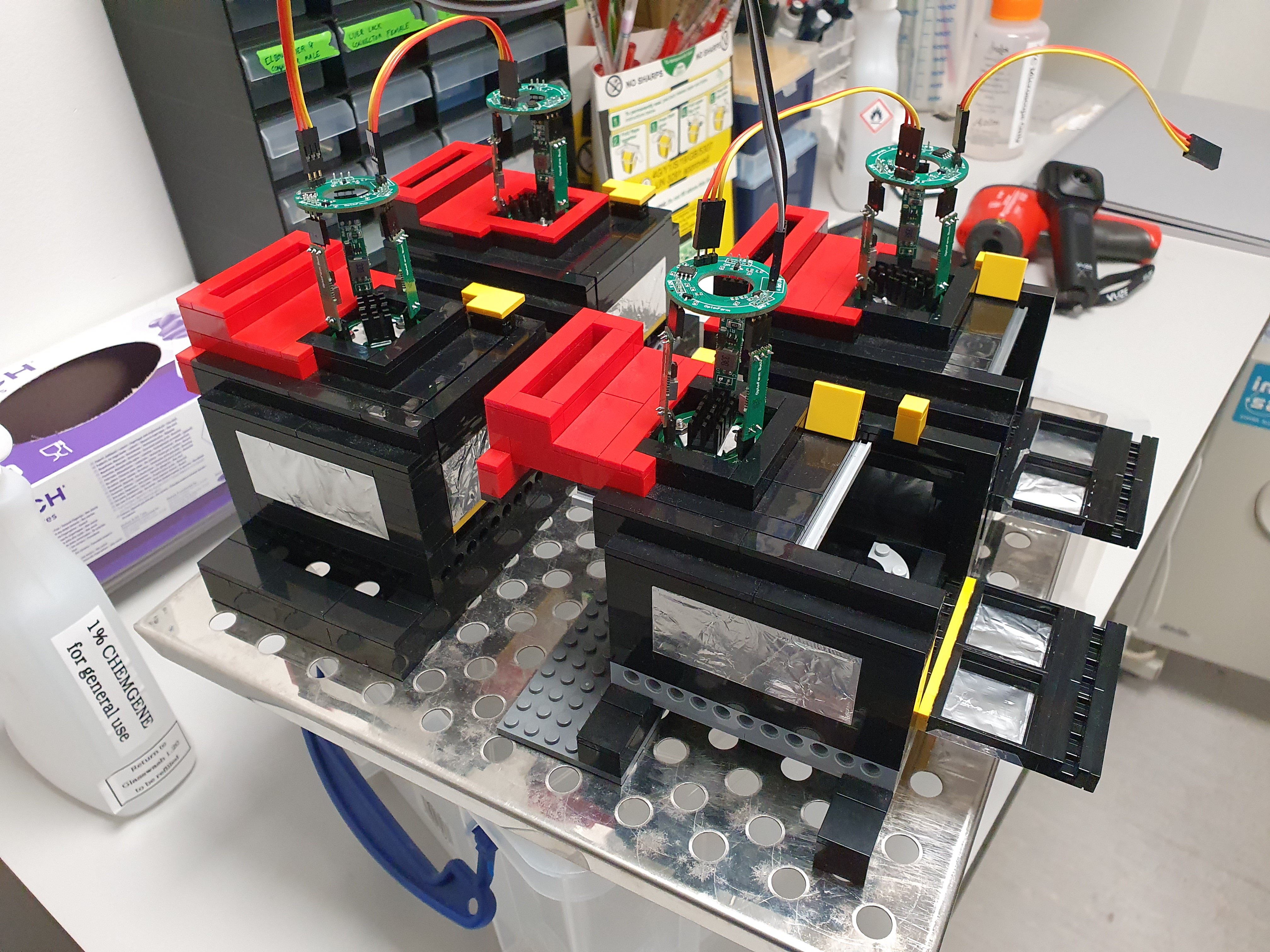
Converted pages
These pages were imported from the original opto:farm WordPress site and converted from blog posts into local laboratory pages. The content is now stored in this repository, with media mirrored into the site.
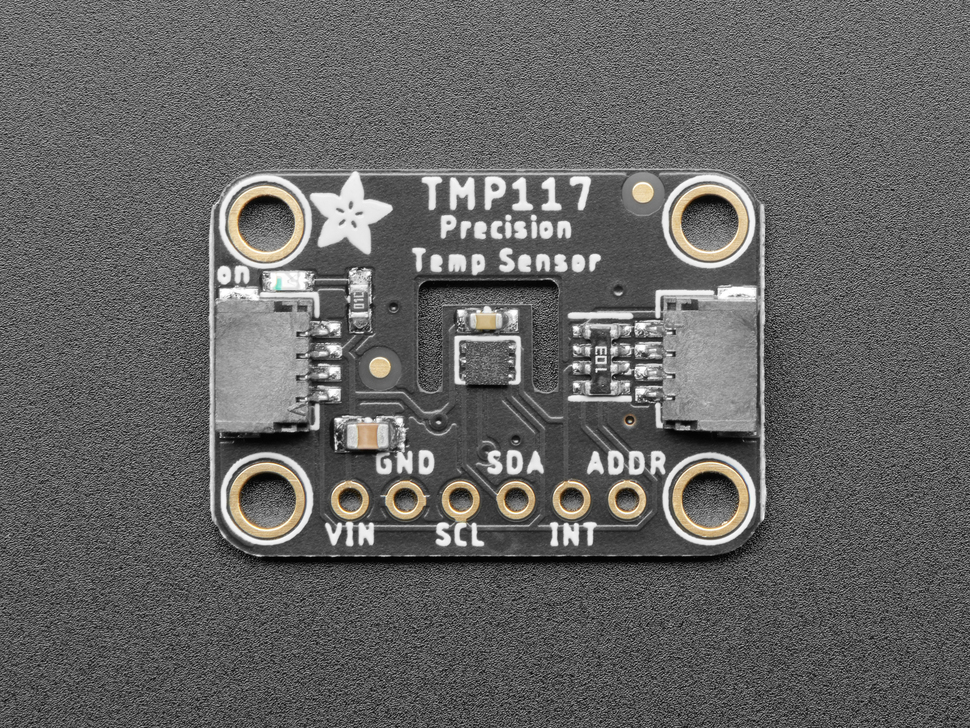 27 July 2022Monitoring the temperature of an opto:pod with an I2C sensorWe briefly discussed the importance of environmental monitoring during an optogenetics experiment when describing the multi-modal MS8607 temperature, pressure and humidity sensor. A simpler and slightly cheaper, yet powerful sensor is the popular Texas Instrument TMP117. As usual, we selected the Adafruit Industries breakout for no-fuss wiring and integration in your optogenetic project. TI and [...]
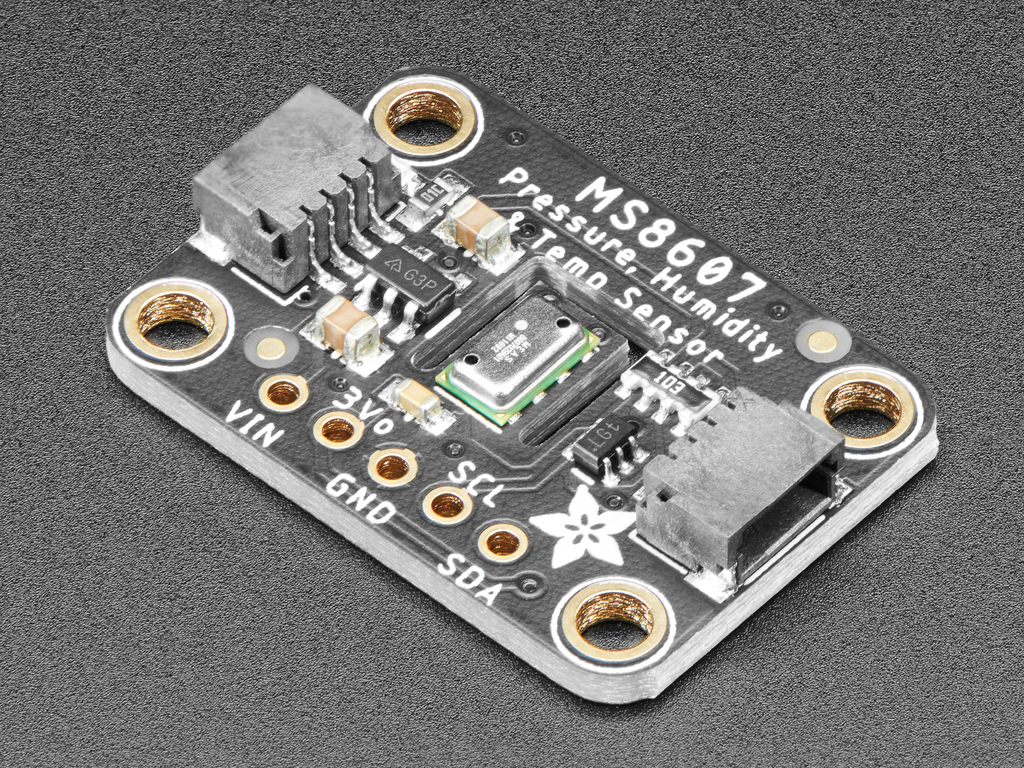 26 July 2022How do we provide environmental diagnostics to each opto:pod?One of the most important parameters to monitor during an optogenetic experiment is temperature. One of the dirty secrets in the field is that light sources, electronics, light shielding can create thermal instabilities that might affect your experiment. I am ‘sure’ it did not happen to you but our first experiment in optogenetics resulted in [...]
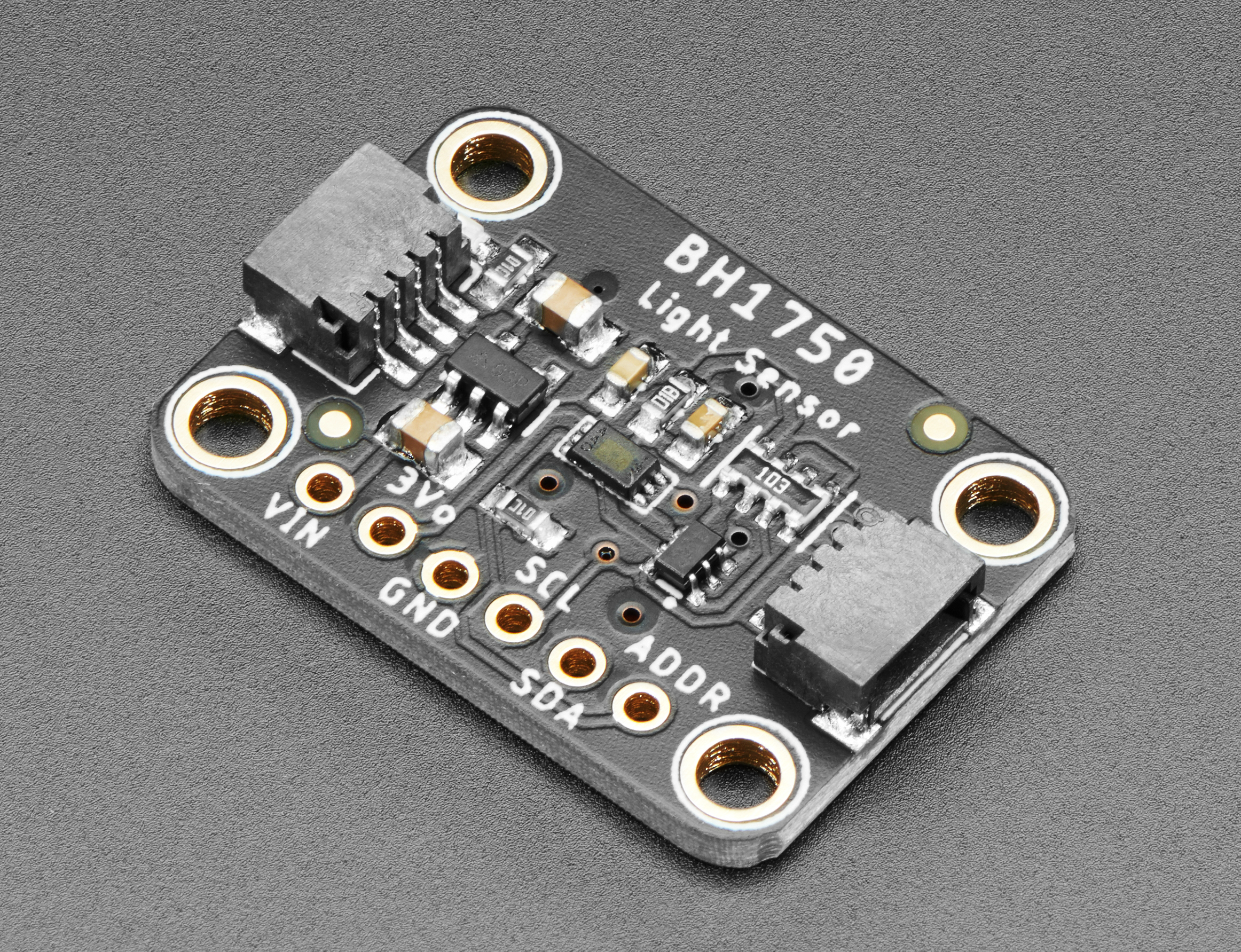 26 July 2022An I2C light sensor for the opto:podOur preferred way to monitor the opto:pods is using I2C sensors because they minimize wiring requirements. Among the most useful sensors we could implement there is a light sensor that permits us to monitor the execution of light protocols from within the incubators either for diagnostics, reporting, and calibration. Which sensor have we picked for [...]
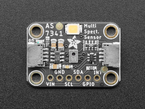 26 July 2022Monitoring light protocols with an I2C spectrometerWould you like to document the execution of a long optogenetic experiment? We can be as confident as we can in instrumentation and user skills in preparing the right light protocols, but the documentation of the execution of an experiment is always useful, particularly when troubleshooting is necessary. Then, light sensors installed within incubators used [...]