Contact
Dr Alessandro Esposito
Physicist and cancer biologist studying how molecular networks encode cell decisions, and how mutations hijack these decisions in cancer.

Current role
Lecturer in Biosciences (Epigenetics), Department of Life Sciences, College of Health, Medicine and Life Sciences, Brunel University London. Director of the Centre for Genome Engineering and Maintenance.
Office
Heinz Wolff 123aBrunel University London
Uxbridge, London
United Kingdom
Research group
The Laboratory of Quantitative Biology studies biochemical networks, single-cell decisions, DNA damage responses, oncogenic signalling, and quantitative imaging.
Meet the teamProfiles
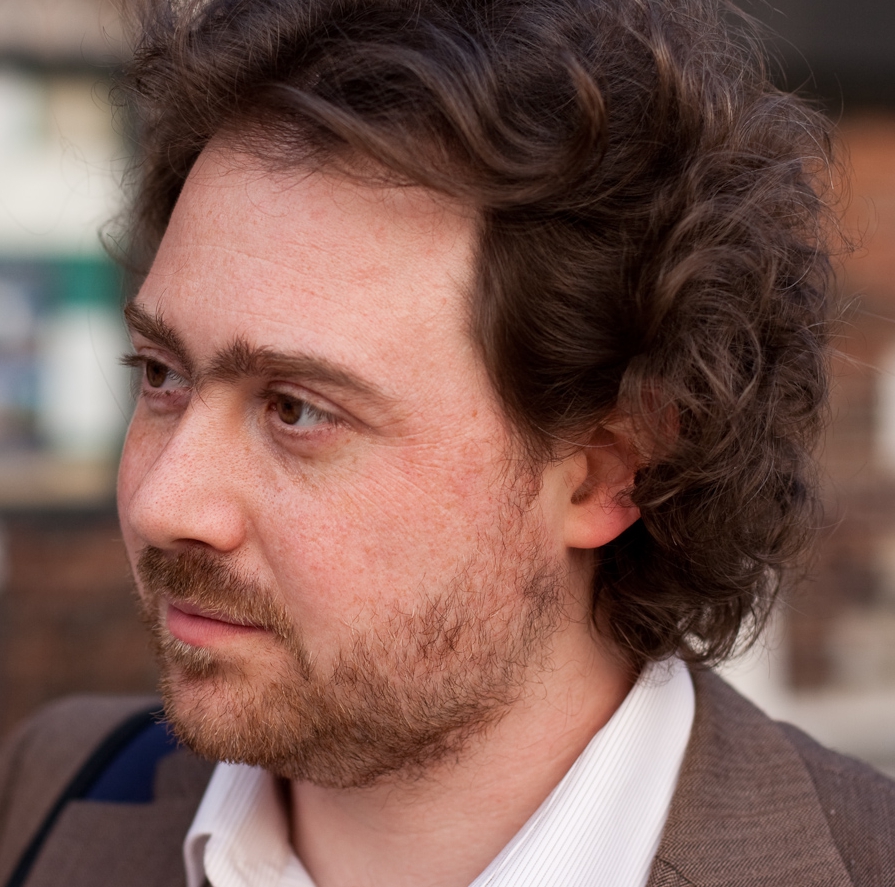
For conferences
Biosketch
Alessandro Esposito
Center for Genome Engineering and Maintenance
Brunel University London
Dr Alessandro Esposito graduated in Physics (biophysics) at the University of Genoa. He obtained his PhD in Physics (biophysics) in 2006 at the University of Utrecht while working at the European Neuroscience Institute in Goettingen. In 2007, Alessandro moved to the University of Cambridge, developing novel analytical tools to refine models of red blood cell homeostasis infected by P. falciparum (malaria).
In recognition of his early work, Alessandro was awarded the "Sergio Ciani" award by the Italian Society of Pure and Applied Biophysics for his doctoral thesis. In 2009, he was awarded a Life Science Interface fellowship by the EPSRC to establish and foster the development of heavily multiplexed biochemical imaging. Soon after, he moved to the MRC Cancer Unit, where he led the Systems Microscopy initiative and retrained in cancer biology.
During these years, Alessandro's work developed into two research streams: the study of cellular responses to DNA damage and mutations in signalling pathways, and the innovation of biochemical imaging technologies. His team contributed to revealing the vast cell-to-cell variability in stress responses of genetically identical cells, a feature of biological systems that can hinder disease management and therapeutic efficacy.
Since 2019, Alessandro has led transdisciplinary research on how DNA damage and mutations in KRAS derange homeostatic programmes leading to cancer. His group combines multi-omics data with single-cell biochemical imaging techniques to understand cancer phenotypes during the earliest stages of carcinogenesis, with particular attention to non-genetic cell-to-cell variability and cell-to-cell communication.
Alessandro is internationally recognised for his work in biochemical imaging and has published around fifty articles and a patent across theoretical, engineering, and biological research. In 2022, Alessandro joined Brunel University London as a Lecturer in Biosciences (Epigenetics), where he is now Director of the Centre for Genome Engineering and Maintenance.