opto:farm / 26 July 2022
An I2C light sensor for the opto:pod
Our preferred way to monitor the opto:pods is using I2C sensors because they minimize wiring requirements. Among the most useful sensors we could implement there is a light sensor that permits us to monitor the execution of light protocols from within the incubators either for diagnostics, reporting, and calibration. Which sensor have we picked for [...]
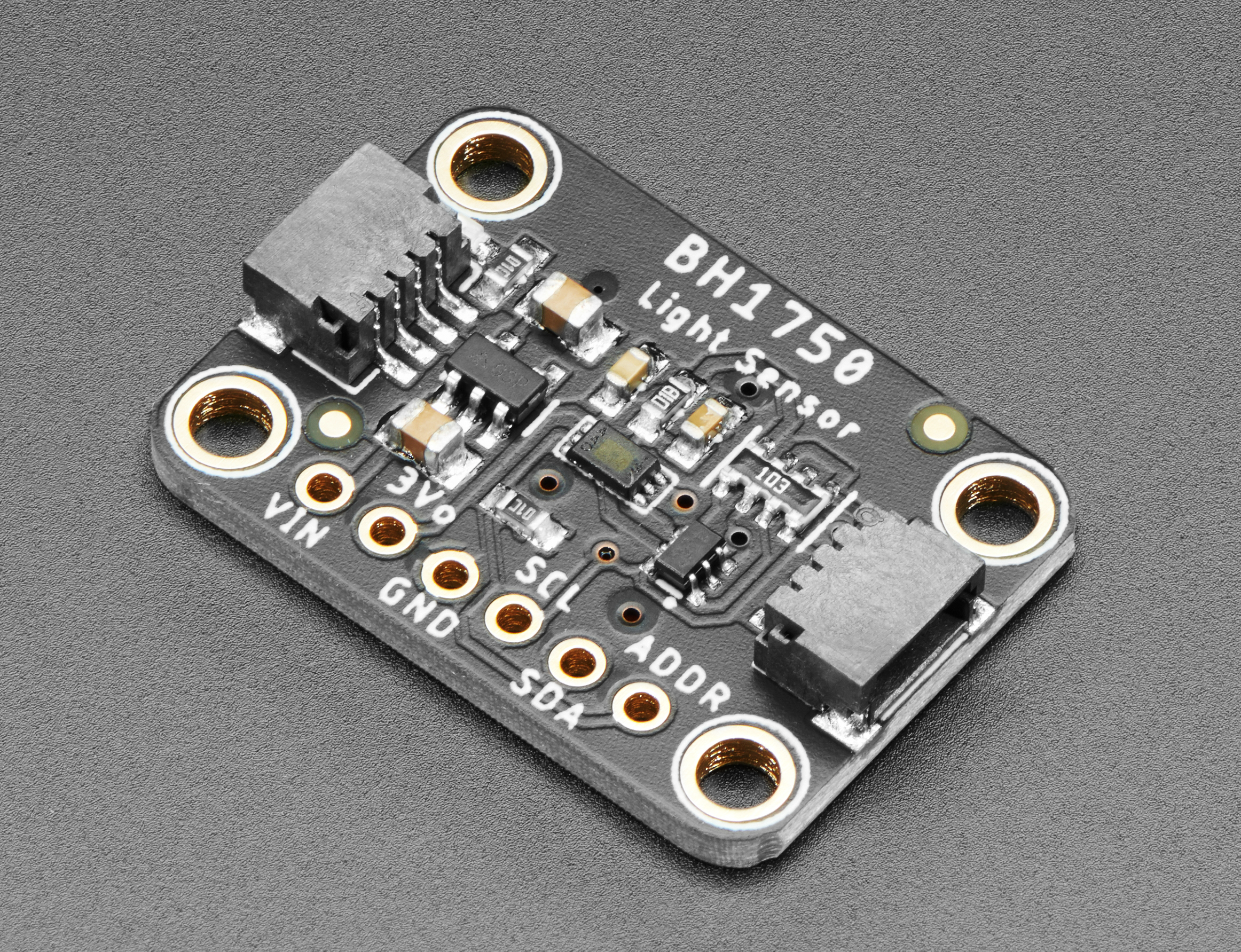
Our preferred way to monitor the opto:pods is using I2C sensors because they minimize wiring requirements. Among the most useful sensors we could implement there is a light sensor that permits us to monitor the execution of light protocols from within the incubators either for diagnostics, reporting, and calibration.
Which sensor have we picked for you? The BH1750 by Rohm Semiconductors is an excellent choice providing readouts from a fraction of a lux to up to 10klux with a 16-bit resolution. What is even better than that? The fact that Adafruit Industries manufactures a STEMMA/Qwiic breakout version that requires no soldering for easy integration.
The BH1750 is directly integrated into the opto:farm. The BH1750 is easy to use, and it is even easier with our libraries.
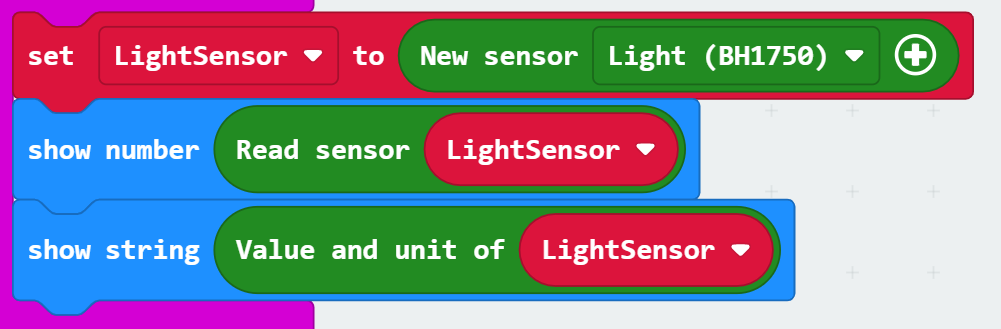
We have a block to setup standard sensors, and BH1750 is one of them. If used with a I2C multiplexer or address shifter, an optional input parameter permits to change the address. To read the sensor we implemented two options. You can brightness as a number, or as a string with the unit (lux.
It is so easy to add to an opto:farm project and to use that we miss only to let you know some reference page… otherwise… just have fun.
The BH1750 breakout pages at Adafruit.
The sensor specifications:
Original source: optofarm.wordpress.com